
Ethiopia Guji Washed
Guji is one of the most fascinating coffee-growing areas in southern Ethiopia. Part of the Oromia region, its mountainous and diverse landscape has gradually earned recognition as a distinct coffee origin, known for the strong identity and character of its coffees.
Ethiopia is considered the birthplace of Coffea arabica and is home to extraordinary genetic diversity. In Guji, this richness often translates into intensely fruity and complex cup profiles, combining sweetness, vibrant acidity and remarkable aromatic depth.
This lot is processed using the Washed method, a process that tends to enhance cup cleanliness, aromatic definition and clarity, allowing the coffee’s intrinsic characteristics to shine through.
Our Guji selection beautifully reflects this expression: a vibrant and complex cup where red fruits, peach and citrus meet cocoa and spices, complemented by a sweetness reminiscent of brown sugar.

LBF Selections

Cupping
Analysis carried out in the LBF LAB using the Coffee Value Assessment (CVA) approach, with a multidimensional technical and sensory evaluation.

Cupper's notes
A washed Guji with a distinctly fruity expression and a complex cup profile.
Both on the nose and in the cup, notes of red fruits, peach and citrus emerge, accompanied by nuances of cocoa and spices. A pronounced sweetness reminiscent of brown sugar completes the profile.
The acidity is citric, vibrant and distinctive, while the body reveals a pleasant oily texture. The result is a cup where acidity and sweetness stand out as the two main taste attributes.


Green Coffee Analysis
Grain analysis
 Screen:
17+
Screen:
17+
 Humidity:
10,9 %
Humidity:
10,9 %
 Density:
689 g/L
Density:
689 g/L
Storage environment analysis
Humidity:
54 %
 Temperature:
22°C
Temperature:
22°C

More Info
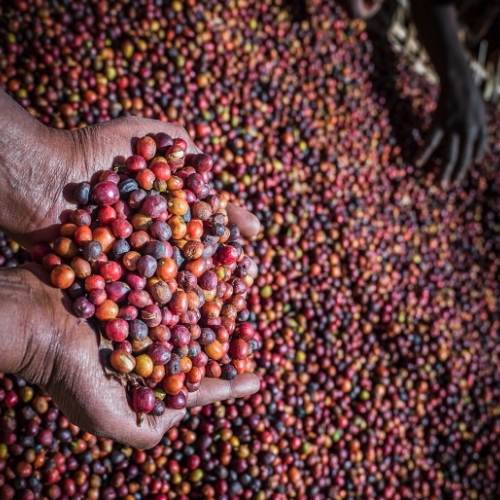
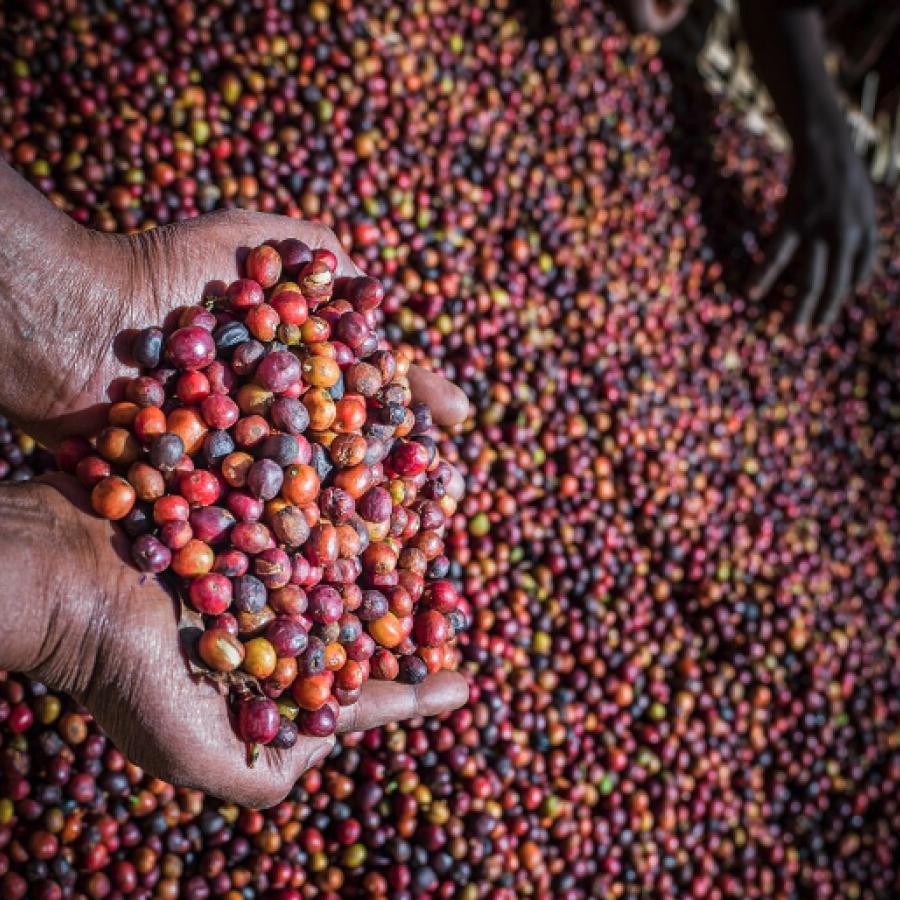
In the Washed process, ripe coffee cherries are carefully selected and then depulped to remove the skin and most of the fruit pulp.
The coffee then undergoes fermentation, allowing the remaining mucilage surrounding the parchment to break down. Once fermentation is complete, the beans are thoroughly washed with water to remove any residual mucilage, leaving the parchment clean.
This processing method tends to highlight the coffee’s intrinsic characteristics and its terroir, enhancing cup cleanliness, aromatic definition and vibrant acidity.
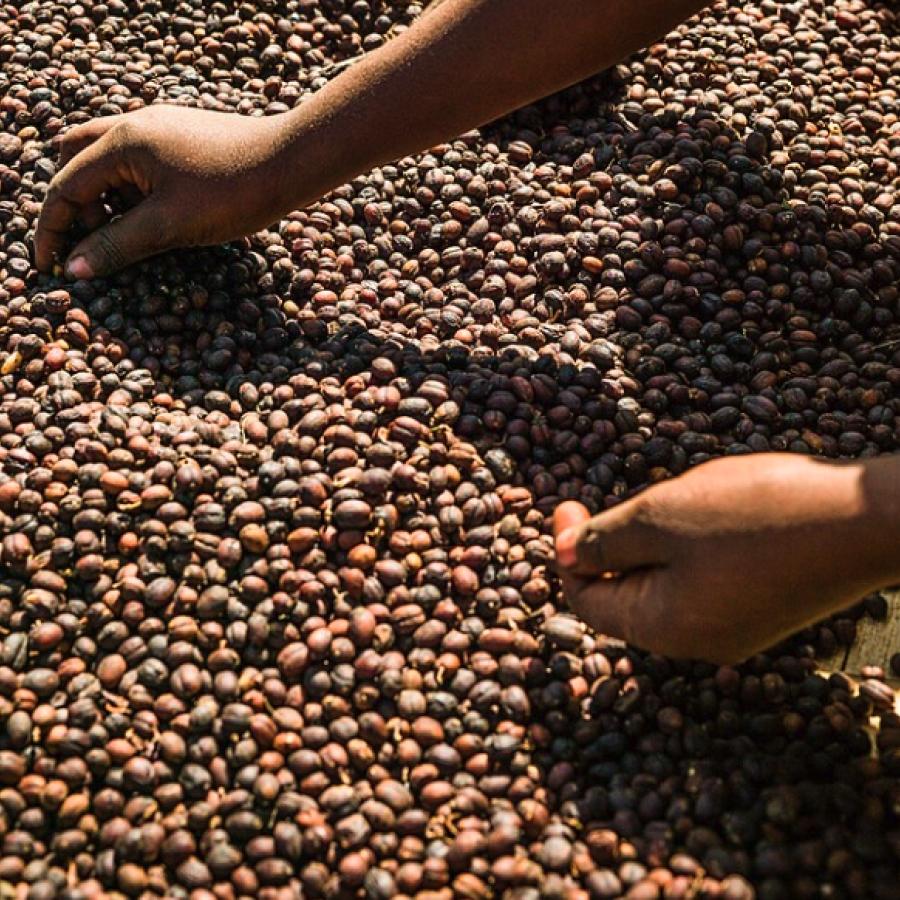
After washing, the parchment coffee is spread in thin layers on African raised beds, elevated drying structures typically made with a mesh surface.
The raised structure allows air to circulate around and underneath the coffee, promoting more even and controlled drying. During this stage, the parchment is regularly turned to ensure uniform exposure to air and sunlight. During the hottest hours of the day or overnight, it may be covered to protect it from excessive environmental conditions and moisture.
Drying continues gradually until the desired moisture level is reached, contributing to the stability and preservation of the green coffee’s quality.
To purchase our products, you need to be registered on the website.
Log in or register